


Customer service encounters friction daily, testing the operational resilience of modern enterprises. When digital platforms experience latency, billing errors occur, or account access fails, users require immediate, accurate resolutions. A structured approach to service recovery transforms frustration into loyalty, protecting brand reputation while minimizing ticket resolution times. Organizations leveraging structured frameworks frequently reference the Customer Support Metrics Guide to evaluate how rapid intervention influences overall client satisfaction. This customer support troubleshooting guide for common service issues provides methodical strategies to diagnose recurring problems, streamline communication, and execute durable fixes across multiple communication channels.
Understanding the Anatomy of Service Disruptions
Every service breakdown begins with a trigger, which could be a sudden surge in traffic, a software deployment bug, or user error. Diagnosing the root cause requires analytical precision rather than guesswork. Support agents must separate symptoms from systemic failures. For instance, a reported inability to log into an application often stems from expired authentication tokens rather than incorrect credentials. Operational teams study incident management frameworks detailed in resources like the ITIL Service Operation Overview to standardize how technicians isolate variables during peak troubleshooting phases. Analyzing recurring tickets helps organizations identify systemic patterns, allowing engineering and support departments to collaborate on proactive patches before ticket queues overflow.
Diagnostic Framework for Access and Authentication Failures
Authentication issues represent the highest volume of inbound support inquiries across SaaS platforms, e-commerce portals, and enterprise networks. Resolving these complaints efficiently requires a strict step-by-step verification protocol. Technicians begin by verifying user identity through secure secondary channels before inspecting system logs for failed handshake attempts. Research published by security authorities such as the NIST Digital Identity Guidelines emphasizes the importance of balancing robust security checks with frictionless recovery pathways.
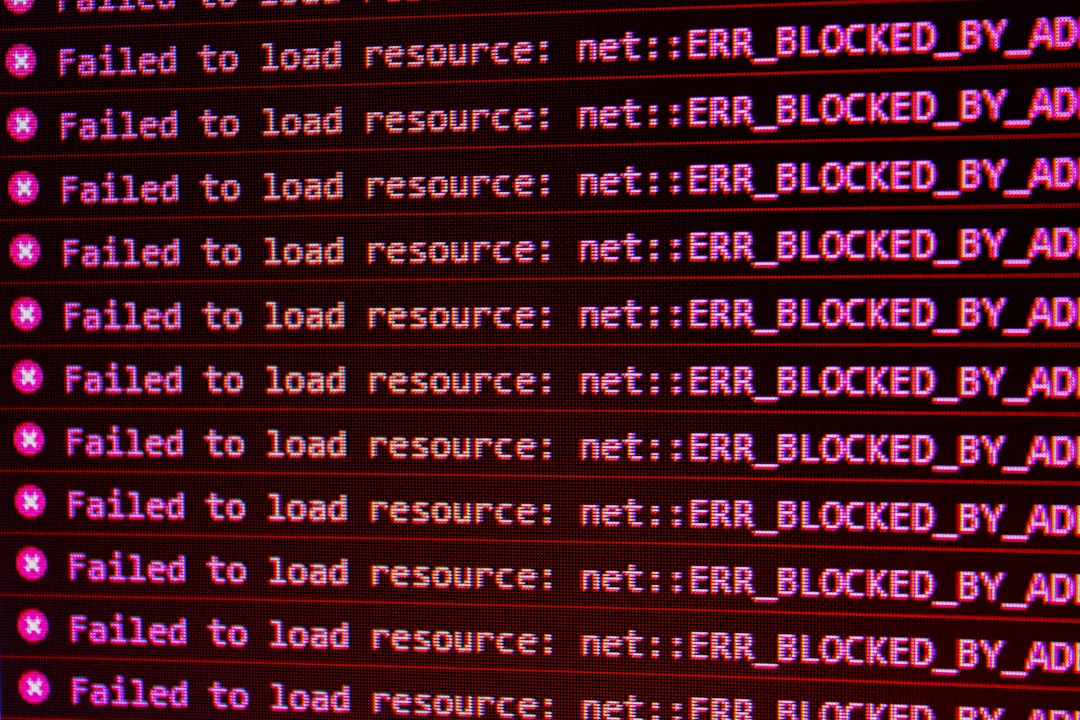
When addressing login roadblocks, support teams systematically evaluate several potential failure points:
- Browser cache corruption and outdated local storage data preventing session state persistence
- Multi-factor authentication delivery delays caused by carrier routing failures or misconfigured authenticator applications
- Domain name system propagation lag affecting newly provisioned user portals
- Role-based access control permission mismatches resulting in unauthorized error screens
Resolving Billing Anomalies and Payment Failures
Financial discrepancies generate immediate customer escalation, requiring high empathy combined with absolute transactional accuracy. A standard customer support troubleshooting guide for common service issues must address payment gateway rejections, duplicate charges, and subscription tier discrepancies. Agents handling financial tickets utilize secure tokenized environments to inspect transaction histories without exposing sensitive cardholder data. Industry compliance standards outlined by the PCI Security Standards Council dictate strict protocols for handling payment investigations safely.
Resolving these financial friction points successfully depends on distinguishing between specific transaction errors. The following comparison table outlines the primary billing disruptions and their corresponding diagnostic procedures.

| Issue Type | Primary Root Cause | Diagnostic Method | Resolution Strategy |
|---|---|---|---|
| Gateway Decline | Insufficient funds or expired card | Check processor error code logs | Prompt user to update payment method |
| Duplicate Charge | Double-click submission or webhook retry | Cross-reference gateway and internal ledgers | Issue automated refund and notify client |
| Tax Calculation Error | Outdated postal code or nexus rules | Audit regional tax engine configurations | Correct tax profile and credit variance |
| Tier Misalignment | Delayed webhook synchronization | Verify subscription activation timestamps | Force manual license synchronization |
Navigating Software Performance and Latency Complaints
When users report sluggish software performance or unexpected error screens, isolating the bottleneck requires distinguishing between client-side and server-side anomalies. Support professionals utilize diagnostic tools to inspect network tracing data, API response times, and database query loads. Frameworks provided by web performance authorities like Google Web Vitals Documentation offer clear metrics for evaluating loading responsiveness and visual stability.
Effective troubleshooting in this domain relies on methodical elimination. If an interface fails to load dynamic content, technicians check Content Delivery Network edge statuses and third-party API dependencies. Documenting these environmental variables ensures that escalation handoffs to tier-three engineering teams contain actionable telemetry rather than vague descriptions of system behavior.
Communication Strategies for De-Escalating Frustrated Users
Technical resolution means little if the communication channel leaves the user feeling ignored or mishandled. High-stress situations demand precise language that projects competence and control. Support agents are trained in de-escalation methodologies supported by customer experience benchmarks found in the Harvard Business Review Service Management Insights. Clear phrasing, proactive status updates, and transparent timelines prevent uncertainty from breeding additional hostility.

Maintaining professionalism during complex troubleshooting involves several core practices:
- Acknowledging the exact business impact of the service interruption without making defensive excuses
- Setting realistic expectations for investigation timeframes instead of offering unverified estimates
- Providing concise summaries after resolving multi-step technical procedures
- Documenting edge cases in the internal knowledge base to accelerate future responses
Frequently Asked Questions
How can support teams reduce repeat contacts for the same technical issue?
Reducing repeat contacts requires rigorous root-cause analysis and proactive communication. When support teams identify a recurring bug, they must update public knowledge bases, deploy in-app banner notifications, and collaborate with product engineering to implement permanent fixes. Providing self-service options empowers users to resolve predictable glitches independently.
What is the most effective way to handle vague customer error reports?
Vague error reports require standardized probing questions rather than immediate escalation. Agents should request specific timestamps, browser or device types, and sequential steps leading up to the error. Utilizing secure screen-sharing utilities or asking for browser console logs helps bridge the communication gap between technical teams and non-technical users.
How should agents prioritize tickets during a major service outage?
During widespread outages, triage protocols must prioritize business-critical accounts, security vulnerabilities, and total service disruptions over minor aesthetic complaints. Incident management frameworks dictate establishing a dedicated communication channel to broadcast status updates, reducing the volume of inbound individual inquiries and allowing technicians to focus on systemic restoration.
What role does a knowledge base play in modern customer support?
A comprehensive knowledge base serves as the first line of defense for support operations. By publishing clear documentation, troubleshooting wizards, and video walkthroughs, organizations deflect routine inquiries. Maintaining this repository requires continuous review cycles to ensure instructions remain accurate following software updates.
Conclusion
Mastering service recovery requires a balanced integration of technical diagnostics, structured methodologies, and empathetic communication. A reliable customer support troubleshooting guide for common service issues equips organizations to handle everything from simple authentication errors to complex billing discrepancies with consistent professionalism. By analyzing recurring ticket patterns, adhering to established security protocols, and maintaining clear communication channels, businesses protect their operational integrity while fostering long-term client trust. As digital ecosystems continue to evolve, continuous refinement of troubleshooting workflows remains essential for sustainable service excellence.
Featured Image Credit: Generated/Sourced via Unsplash.
Inline Images Credit: Sourced from Pexels, Unsplash, Pixabay, NASA, Wikimedia, and Openverse free stock databases.
Disclaimer: This article is AI-generated for informational and educational purposes. While we strive to provide high-quality context and authority, the content should not be used as professional advice. The author/website assumes no liability for external links or factual omissions.
